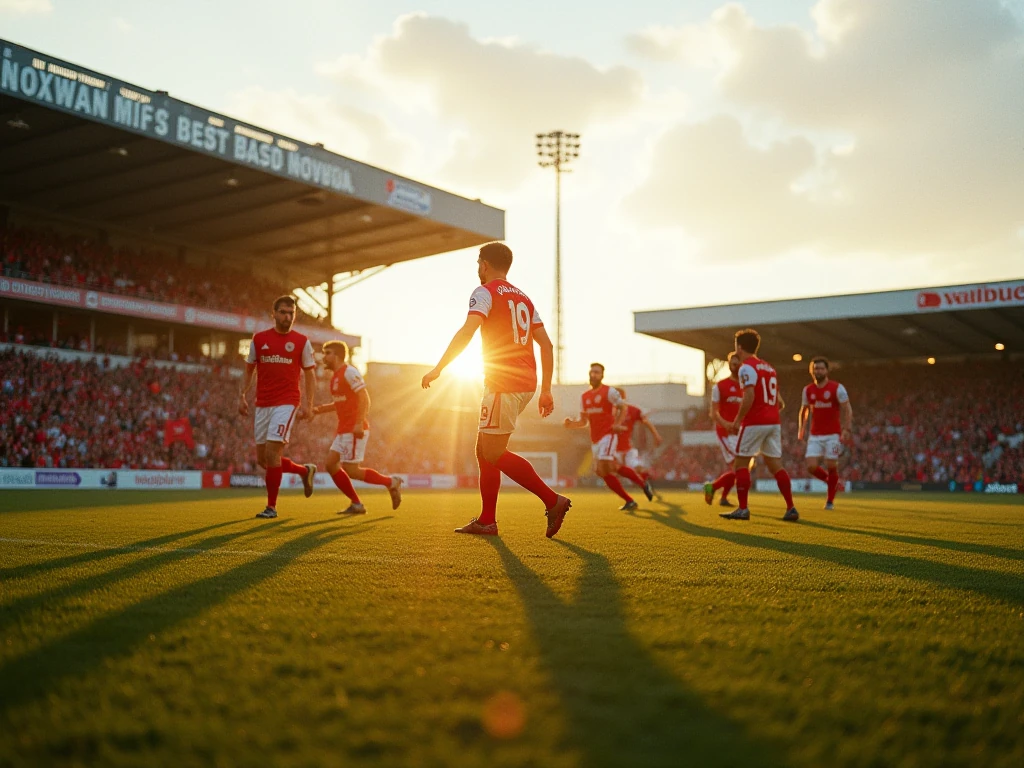

The 1980s were a tumultuous yet major time for Middlesbrough FC, a decade that would not only shape the club's identity but also set the stage for its future. Amidst the backdrop of economic decline in the industrial heart of England, Boro's fortunes fluctuated. As the club faced relegation battles and fluctuating fortunes, the seeds for a brighter future were being sown.
In the early part of the decade, the club found itself teetering on the brink, with relegation to the Third Division in 1986 prompting a reevaluation of its strategies and ambitions. With players like Tony Mowbray and Bernie Slaven leading the charge, Boro started to build a team that could inspire hope among the supporters. The arrival of manager Bruce Rioch in 1984 was a key moment; he was determined to restore pride and ambition to the club. His tenure saw the introduction of a more professional approach, laying the groundwork for future successes.
By the end of the decade, Middlesbrough had climbed back to the Second Division, but the vision for a modern stadium began to take shape. Discussions about relocating from the historic Ayresome Park to a new, state-of-the-art venue reflected a broader ambition to elevate the club's status both on and off the pitch. As the team secured promotion in 1990, the need for a more fitting home became even more pronounced, culminating in the groundbreaking of the Riverside Stadium in 1992.
The Riverside was designed to be more than just a football ground; it was envisioned as a community hub and a symbol of regeneration for an area that had faced economic hardship. The stadium's modern facilities and its picturesque riverside location would soon become emblematic of a new era for Middlesbrough FC. But it was the spirit of the 1980s-the resilience, the determination, and the passion of the supporters-that truly shaped the club's identity and aspirations. The legacy of that decade was not merely in the results on the pitch but in the collective belief that Boro could rise again.
As we reflect on the club's storied history, it is essential to recognize that the foundations laid during the 1980s ultimately paved the way for the memorable moments that would unfold in the Riverside Stadium. The journey from Ayresome Park to the Riverside is a sign of the unwavering spirit of the club and its supporters. Today, as fans gather to cheer on Boro in the very stadium that symbolizes their hopes and dreams, they carry with them the echoes of a decade that refused to be defined by its challenges but instead found strength in its resolve.